
Winter tree care
A winter tree safety check for Arlington properties
Spot dead limbs, clearance concerns, soil movement, and hazards before winter weather and holiday projects.
Read the guide →Tree-care resources
Clear, useful starting points for tree maintenance, removals, storm damage, and project planning.
Spot dead limbs, clearance concerns, soil movement, and hazards before winter weather and holiday projects.
Read the guide →
Find the shutoff, inspect exposed components, adjust the controller, and know what to check after cold weather.
Read the guide →
Spot mulch washout, bare soil, standing water, and runoff patterns after autumn rain.
Read the guide →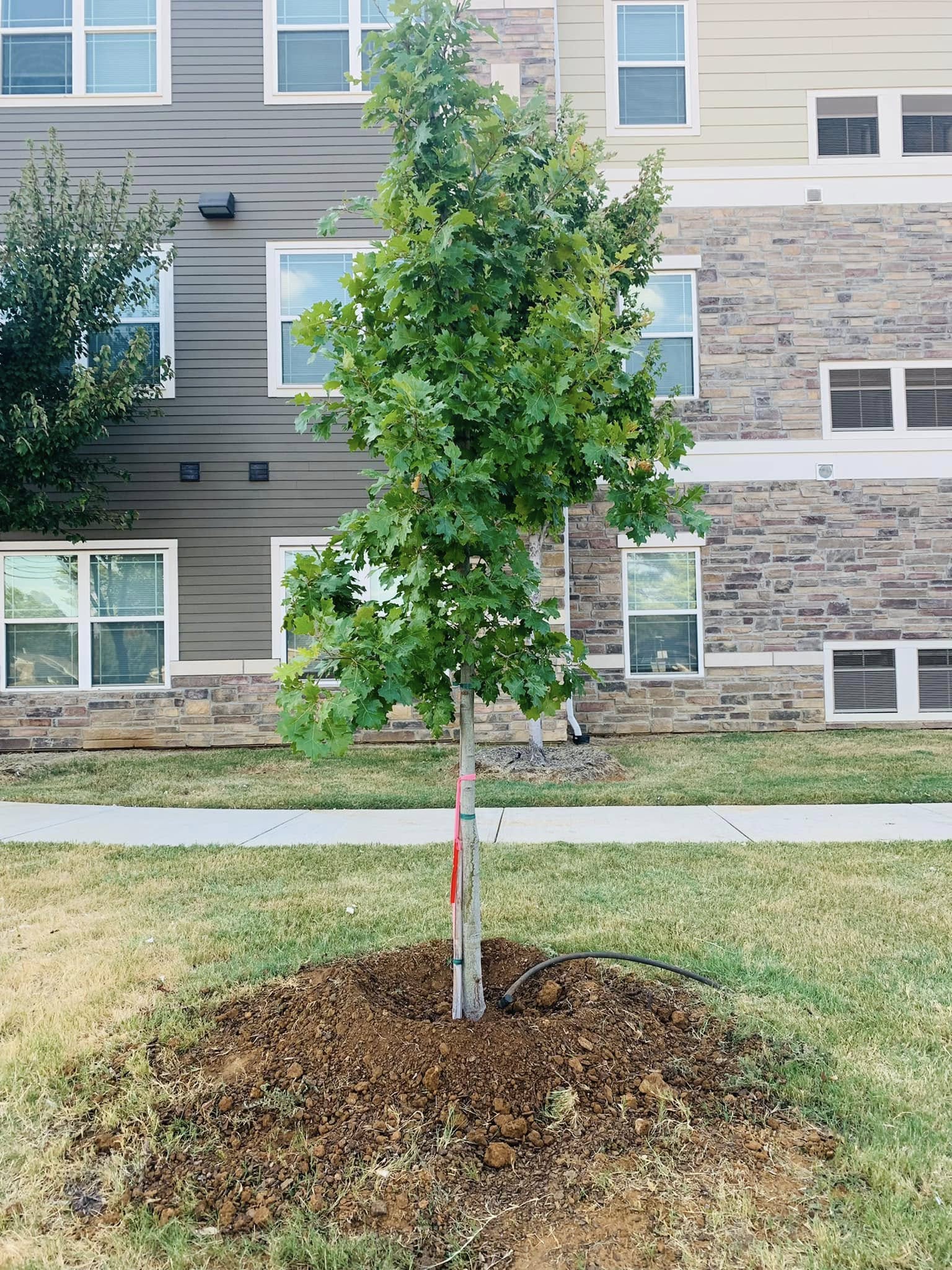
Review space, drainage, planting depth, and first-season care before choosing a new tree.
Read the guide →
Check young trees, soil moisture, mulch, and irrigation coverage before colder weather arrives.
Read the guide →Identify sensitive plants, plan where pots will go, and check frost covers before the next cold forecast.
Read the guide →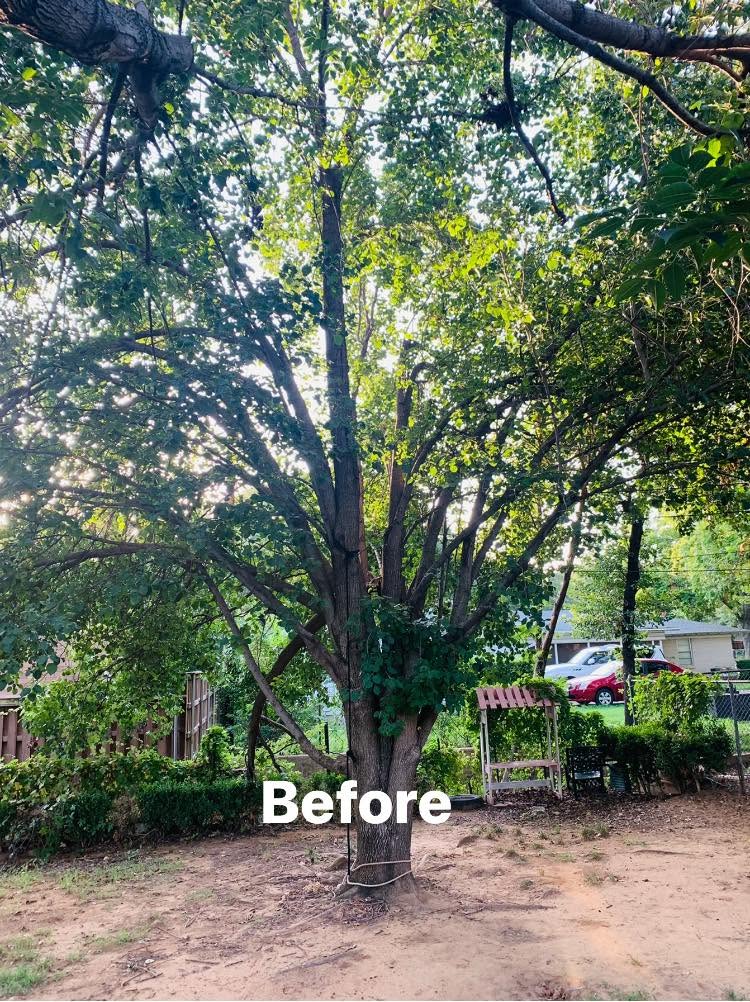
Set clear pruning goals, review oak-wilt precautions, and distinguish routine canopy work from urgent hazards.
Read the guide →Review watering settings, identify runoff and coverage problems, and prepare for an irrigation repair estimate.
Read the guide →Decide what to reuse, what to clear, and how to keep leaves and yard debris out of storm drains.
Read the guide →Choose a location, review planting depth and drainage, and arrange aftercare before bringing a new tree home.
Read the guide →Review watering, refresh mulch, and protect roots as your shade trees move from summer into fall.
Read the guide →Use a ground-level inspection to identify hanging limbs, new cracks, leaning, root movement, and blocked access—then know when to keep the area clear.
Read the guide →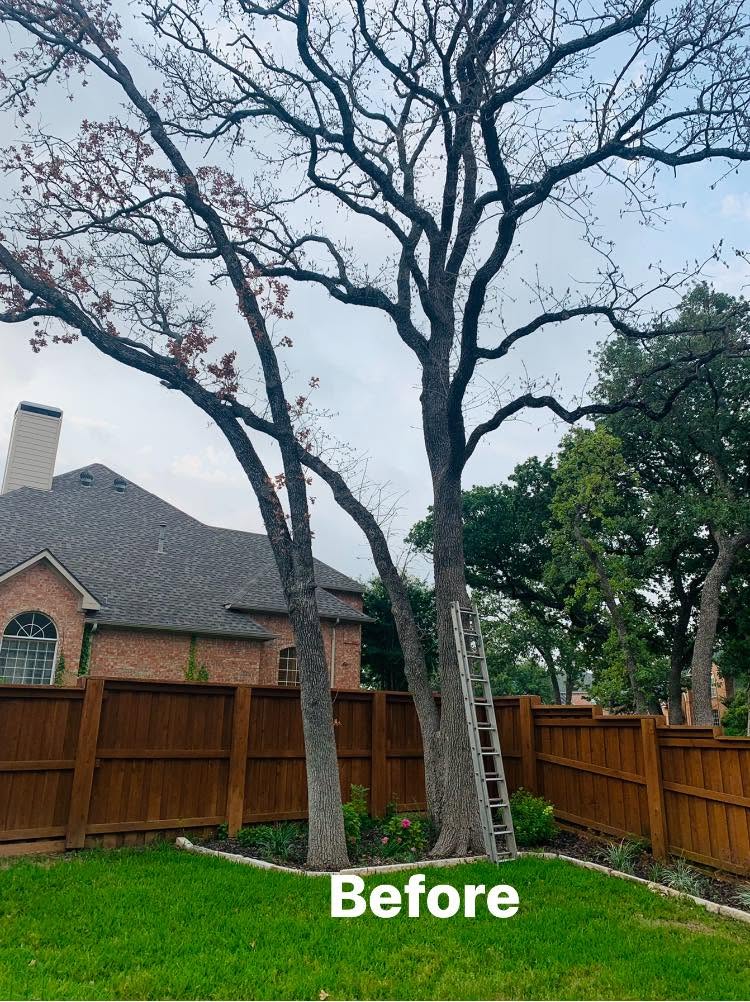
Learn what to look for after wind, storms, or sudden limb failure—and when to keep people and vehicles away from the area.
Read the guide →Both shape a canopy, but the goal and type of cuts can differ. Start with the result your tree and property need.
Read the guide →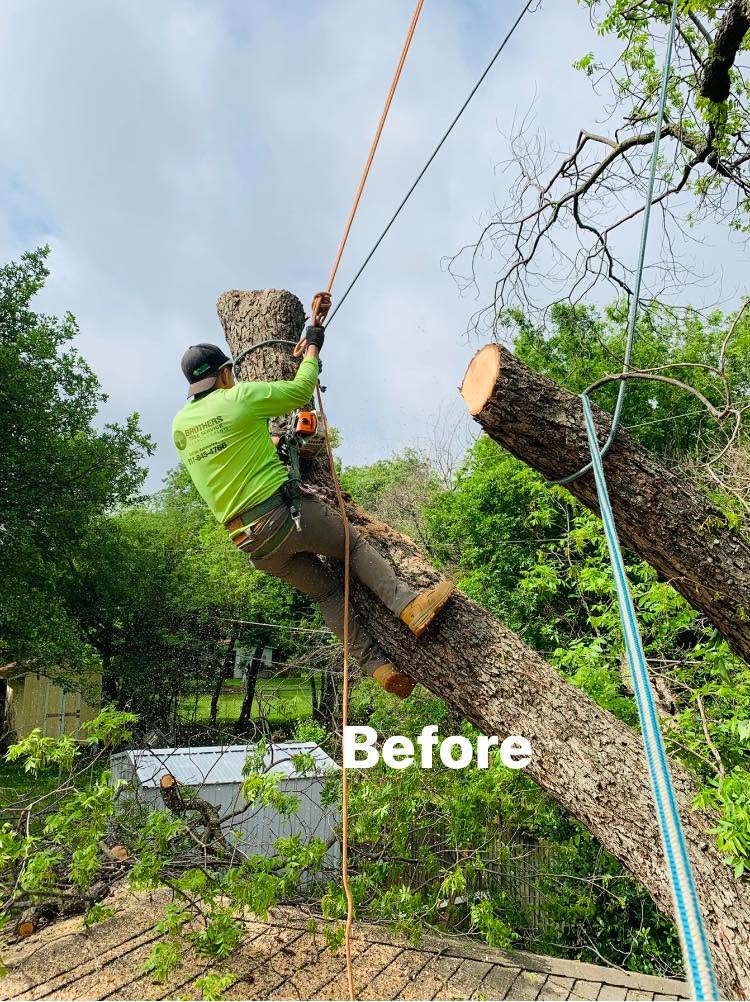
Access, structures, equipment, sectional cutting, and cleanup all influence how a residential removal is planned.
Read the guide →Start with immediate hazards, hanging material, split trunks, blocked access, and anything resting on structures or utility areas.
Read the guide →Ready when you are